
How Arrest Warrants Work in Falls County
An arrest warrant gives a peace officer the power to take someone into custody on the issuing court's authority. Texas law governs both the arrest and the service. For JP and municipal cases in Falls County, Chapter 45A controls warrants built on a sworn complaint or affidavit and probable cause. The judge or magistrate acts first. The officer serves the warrant later. A search warrant is a different tool; it permits a search for listed property or items, not an arrest. Falls County publishes no public warrant-number format, no live status-code list, and no full online roster. To learn what actually exists, ask the court or its authorized agency directly.
Probable Cause and Chapter 45A
Probable cause means the facts back the court's legal basis to act. In Falls County, a sworn complaint or affidavit often anchors a local warrant request, though the exact route turns on the court level and the offense charged. An arrest order is not the same thing as a search warrant, an FTA capias, or a final outcome. Chapter 45A also contains a recall rule. For certain failure-to-appear arrest warrants, a person who voluntarily appears and makes a good-faith effort to resolve the matter before execution can have the warrant recalled. The issuing court still sets the local steps. And note that the statute creates no countywide public search portal; a warrant check in Falls County runs through the court, not a database.
Arrest Warrants: What They Contain
Falls County publishes no sample arrest warrant the public can safely view. The items below describe details a person can ask the clerk about, not claims that each field appears on a public page. Local number formats and status codes are not posted anywhere either.
| Warrant number | Format not published |
|---|---|
| Cause or citation | Identifier for the court file tied to the process. |
| Charge or basis | Offense or court-process reason stated in the file. |
| Issuing authority | Judge or magistrate and the court that authorized it. |
| Issue and service dates | Ask which dates are public and whether a return is filed. |
| Bond condition | No general Falls County bond schedule was located. |
| Current status | Ask whether active, served, recalled, or quashed, and as of when. |
Sheriff, Constables, City Officers Serve Process
Service in Falls County can involve the Sheriff's Office, four constables, municipal officers, a city marshal, or another authorized peace officer. Who serves the paper never decides who keeps the file. A constable may handle JP process while a district clerk holds the actual court record. A municipal officer may serve city process without the sheriff holding anything. So split your questions. Ask the issuing clerk which agency has the process. Ask the serving agency only about booking, custody, or its operational role. There is no public service roster and no universal surrender window here.
How Warrants Get Served in Falls County
Under Texas Chapter 15, an officer must make the authority for an arrest known, and on request must show the warrant as soon as the law allows. An arrest can happen at any hour, day or night. Booking, magistration, bond, and the first court date all depend on the case afterward. Falls County has posted no general bond amount and no after-hours warrant guide. If the issuing court tells you a surrender or booking step is required, call the sheriff or jail first. Ask about location, hours, identification, counsel, and bond instructions before you travel. The official sheriff page lists an office number, and the county contact page shows different numbers. Verify which route is current before you rely on either one.
A Falls County Warrant Can Cross Lines
Local reporting in 2025 described a Falls County warrant served in Nolanville, plus a separate multi-agency operation. The practical takeaway is simple. A warrant can be served outside the county, and several agencies may assist. Those stories are not a case list, and they say nothing about present status. Use a court check, not news coverage. If an out-of-county warrant call surprises you, verify the issuing court using a number from an official county, court, or agency page. Never pay an unsolicited caller. Ask a lawyer or the court what process applies.
Arrest Warrants, Summonses, and Bench Warrants
A summons asks you to appear. An arrest warrant authorizes custody under court process. A bench or FTA warrant follows a missed court duty. The same Falls County case can move between these stages, so one paper does not tell the whole story. A summons alone does not show that a warrant issued, and an FTA order alone does not say what the judge later did.
| Process | What It Does | Falls County Route |
|---|---|---|
| Arrest warrant | Authorizes arrest under the order | Issuing court; authorized serving agency |
| Summons | Calls for a court appearance | Court named on the notice |
| Bench or FTA warrant | Responds to missed court duty | Court that set the case |
Falls County Has No Public Sample Record
Falls County posts no public arrest-warrant entry that can be safely quoted, so no number, charge, bond, or date appears here. A public record request can seek an existing nonconfidential file, though a custodian may withhold sealed, juvenile, active-investigation, or protected material. Ask for the court record by case number. Do not ask the county to build a new warrant report.
Confirm a Falls County Arrest Warrant
Confirm before you act. Check the court, the warrant's status, and the permitted next step in Falls County. A lawyer can review the case and help with a motion to recall or quash, bond, or a lawful appearance. The sheriff or jail can explain booking, but only the issuing court decides whether the warrant is recalled. A receipt or a stale database entry is not a court order.
Important: If an arrest warrant may be active, contact counsel and the issuing court first. Ask the court or sheriff for verified instructions before any surrender or bond step.
For the practical next steps, the county overview lays out a Falls County warrant-resolution path with the clerk and agency split.
Request Existing Process Records
A written request has to reach the office most likely to hold the file. That means the District Clerk for an 82nd District Court case, the County Clerk for County Court records, a JP or municipal clerk for its own process, or the sheriff for service and booking papers. Give the case number and a clear date range whenever you can. Texas public-information law covers records that already exist; it does not force any Falls County office to answer legal questions or search every court for you. Keep a copy of your request and any written reply. If the clerk does not hold the file, ask which Falls County office does.
Handling an Arrest Warrant in Your Name
When a clerk confirms a warrant in your own case, the next question is what the court wants. Ask whether it will set a new hearing, require bond, or accept a motion or voluntary appearance. A family member can help locate the right court in Falls County. But the clerk may insist that the named person or counsel handle status details. Write down the court, the cause number, and a dated status. If the clerk sets a new appearance or bond condition, note the instruction and ask how the court will document the change. Keep counsel involved whenever a hearing or surrender is on the table. Federal process is different. Take that to the federal court, not a Falls County city clerk.
Federal Arrest Warrants Use Separate Offices
Federal cases in the area run through the Western District of Texas, Waco Division. The U.S. Marshals Waco page lists the federal courthouse location. That office handles federal process, which stays separate from any Falls County warrant.
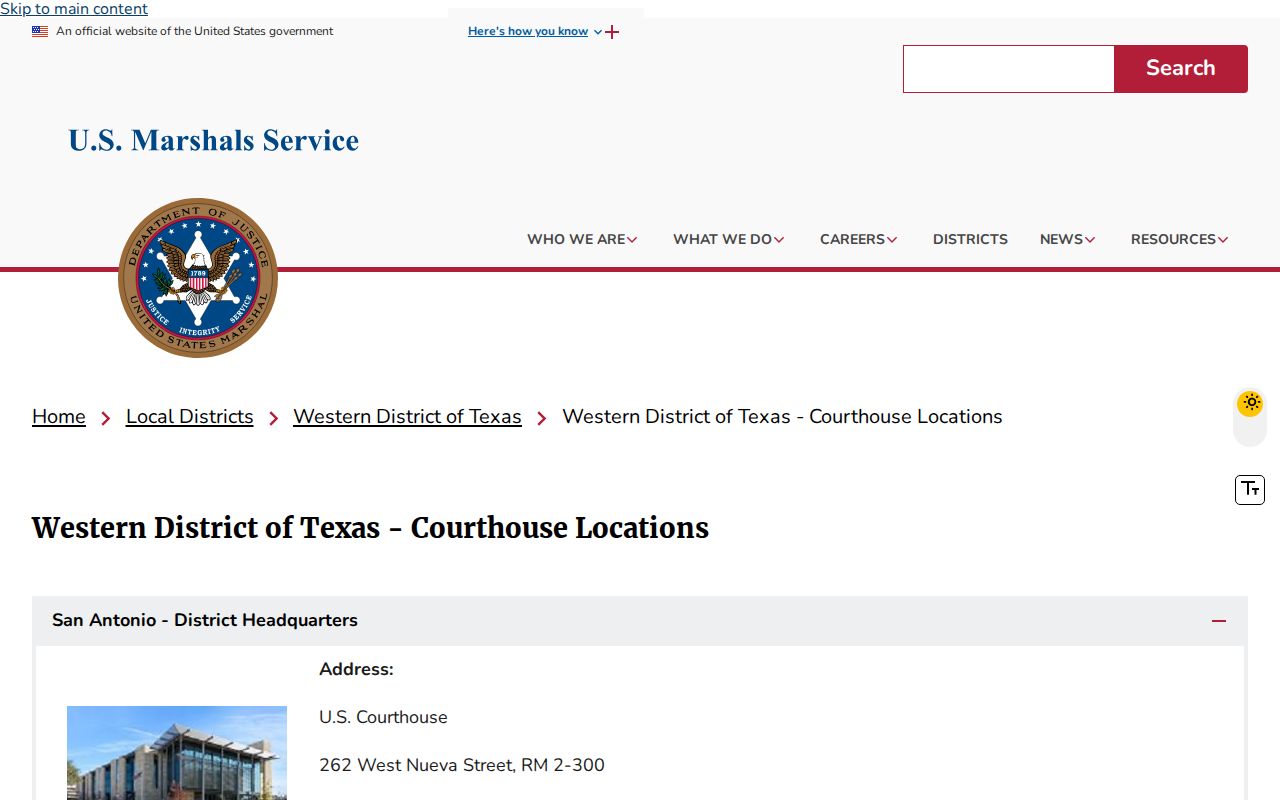
The directory names an office only. It does not identify people or provide a Falls County warrant roster.
PACER Covers Federal Court Dockets
placeholderFederal filings are a different animal. For those, PACER explains its access fees and pricing rules. The pricing page spells out account charges for federal court records. PACER serves federal dockets, not a Falls County arrest-warrant search.
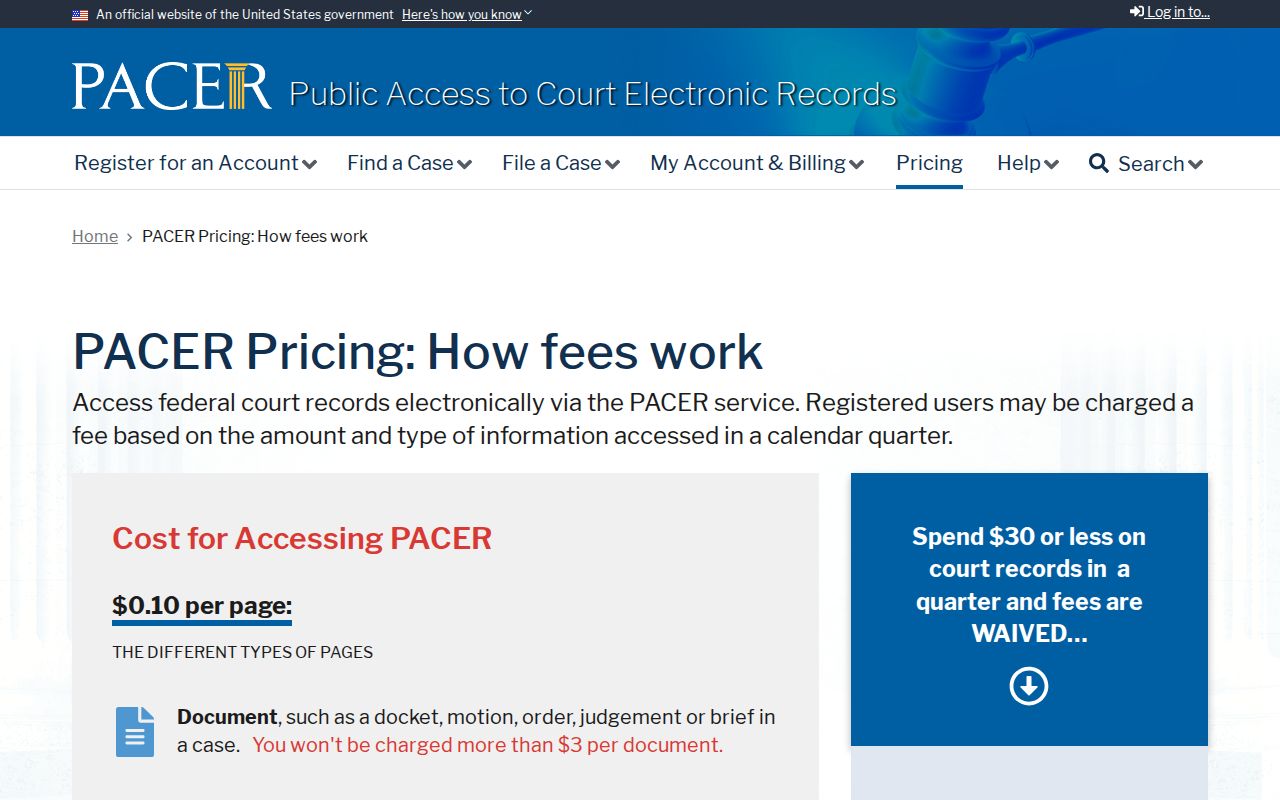
Use a federal court's case information for federal matters. Falls County clerks do not keep those dockets.